Transmission problems: the warning signs, what they mean, and what to do next

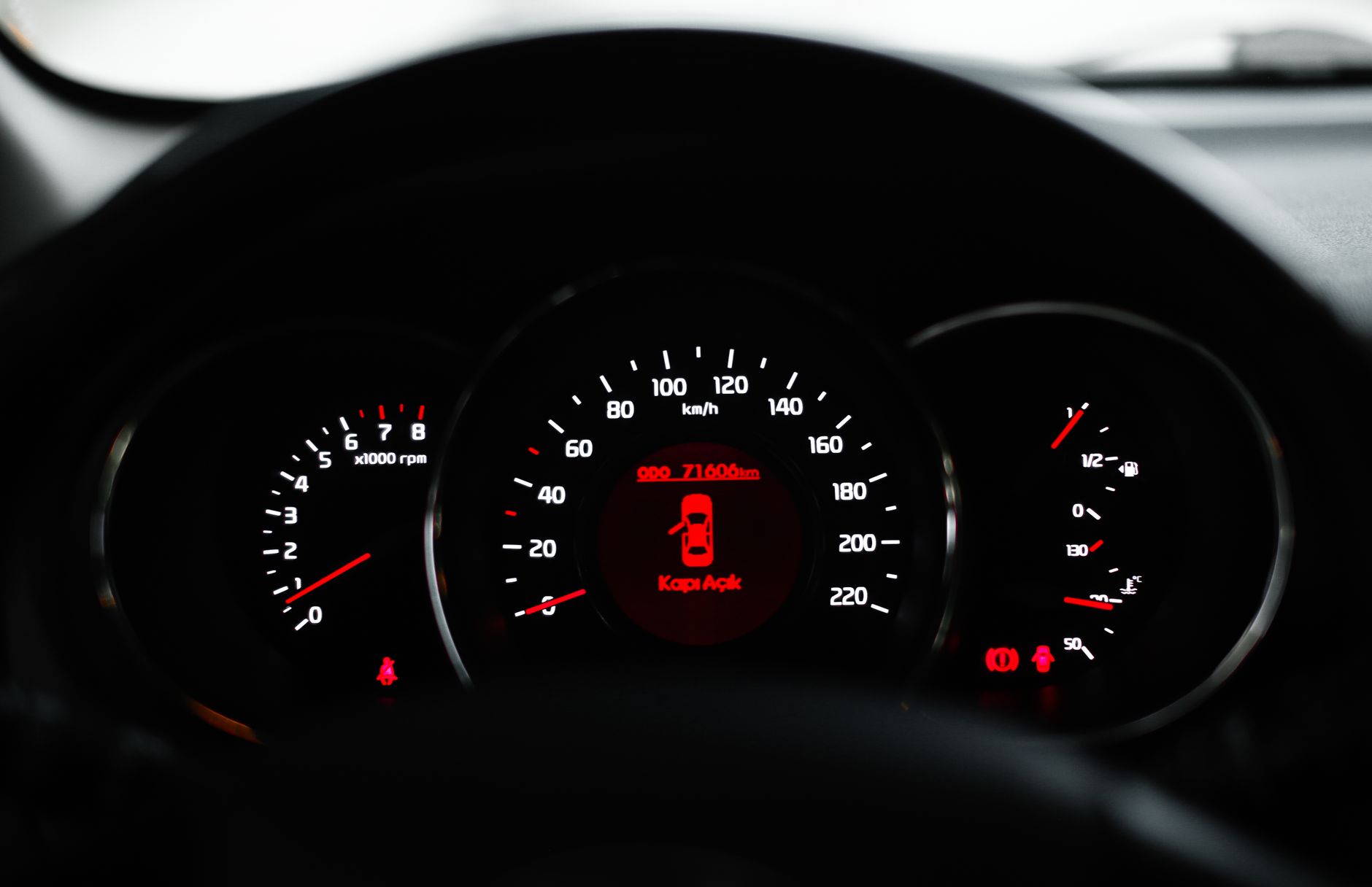
Quick answer: the most common signs of transmission problems are slipping (the engine revs climb but the car doesn’t speed up), a delay before Drive or Reverse engages, harsh or erratic shifts, fluid spots under the car, a burning smell, whining or grinding noises, and a warning light, according to Cars.com and AAA. Get it checked early: small problems usually get bigger, not smaller.
Written by Mark Dannunzio, co-owner and ASE-certified lead technician at Shift Masters Transmissions in Phoenix. Mark and Ken and their team have rebuilt thousands of transmissions, and they offer a free check when you think something is wrong.
(Clears throat. Taps the dashboard twice, for luck.) Long-time readers know Gary, your transmission. Gary cannot text you, so when something is wrong, Gary complains in the only languages he speaks: noises, smells, lurches and lights.
This page is your Gary-to-English dictionary. I wrote it so you don’t have to learn it the way I did, which was by panicking first and reading second.
The 9 warning signs at a glance
Each sign links to its source. “What it can mean” is the usual suspect, not a diagnosis: the same symptom can have more than one cause.
Is my transmission slipping?
Slipping is when “the engine revs, but the car doesn’t accelerate like it should,” as AAA puts it. You press the pedal, the engine shouts, and the car just sort of shrugs. (Gary is not lazy. Gary is struggling, and Gary would like you to stop judging him.)
AAMCO calls a high-revving engine “a typical sign that you have worn clutches,” and lists low fluid among the top causes. It is one of the problems we see most. Our transmission repair and diagnosis page covers what that looks like at our shop.
For the causes, the codes and the honest answer on stop-slip additives, read transmission slipping: how to tell and how to fix it.
Harsh, late or delayed shifts
Cars.com describes delayed engagement as “a long delay before Drive or Reverse is engaged” when you shift out of Park. That pause is long enough to wonder whether you actually put it in gear. (You did. I checked twice.)
The other version is a shift that bangs in hard, comes too late, or happens at odd moments at a steady speed. AAMCO points at the usual suspects:
Transmission fluid leaks, and what the colour means
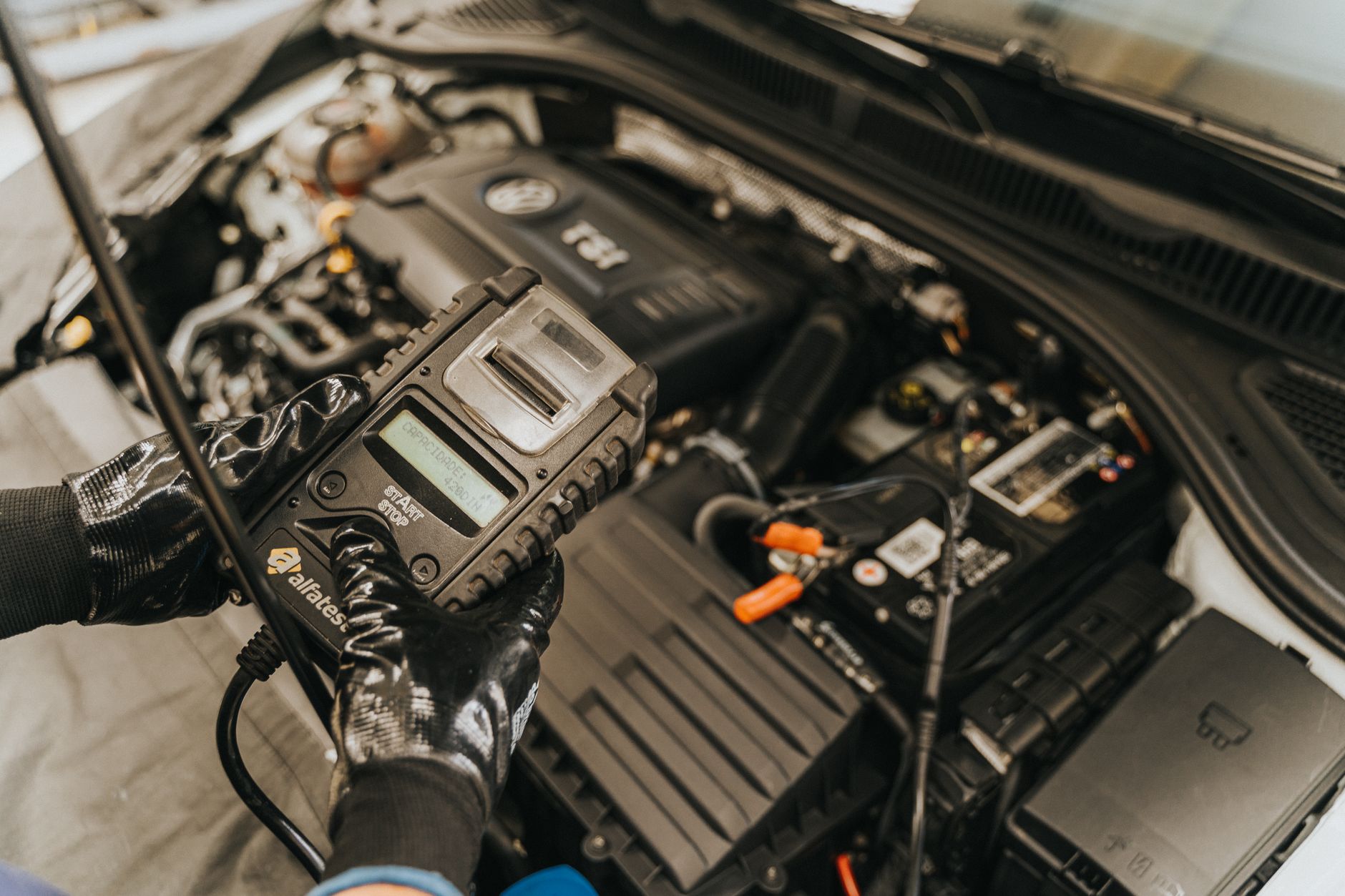
Look under the car for “fresh oily spots on the ground,” says AAA. Consumer Reports adds that “unlike engine oil, transmission fluid should never burn off,” so if the level drops, it went somewhere. (Usually onto your driveway. Gary is a messy eater.)
The colour of the fluid tells you a lot too. Here is how AAA reads it:
One catch: not every fluid is red to begin with, so check what your car uses. Leaks are another of the problems we see most, and our transmission fluid change and flush service starts by checking the fluid first.
For how to tell a transmission leak from other fluids, where leaks start and what they cost to fix, read transmission fluid leak: how to tell and what it costs.
CVT problems
A CVT has no fixed gears, so it can’t bang into one. Instead, its classic complaint is a judder: Cars.com describes “a judder or shuddering coming from the CVT as it accelerates” on some Nissan models, traced to a defective control valve. (Gary’s younger cousin Kevin the CVT doesn’t shift. Kevin shivers.)
CVTs are also picky about fluid: Consumer Reports says to use a CVT-specific fluid or “risk big headaches (and repair bills).” The good news is that many CVTs can be rebuilt, which we cover in can a CVT transmission be rebuilt.
For the Nissan and Honda years with official CVT bulletins and warranty extensions, read CVT transmission problems by make and year.
Noises, smells and warning lights
AAA flags “whining, humming, or grinding sounds,” and Firestone notes that fresh fluid smells “sweet or tart”, while a burnt smell means it has overheated. (If your car smells like a campfire, Gary is not roasting marshmallows.)
Then there are the lights. AAMCO lists the check engine light, the transmission temperature light and the overdrive light. A scan reads the code behind the light, and these are some of the common transmission ones:
Can you keep driving with a transmission problem?
Usually, you shouldn’t. Firestone says “we don’t recommend it,” and that “it can also be dangerous to drive a vehicle that could fail at any moment.” (I know. Nobody ever wants to hear that. I don’t want to say it either, and I fix these for a living.)
Kelley Blue Book is just as blunt about the slipping code P0894: “You should not drive with the P0894 code active.” Driving on a sick transmission is how a small repair turns into a rebuild, and our transmission rebuild cost guide shows why nobody wants that.
Phoenix heat and your transmission
AAA calls heat “a major contributing factor in the breakdown of automatic transmission fluid over time.” Phoenix logged 54 days at 110°F or hotter in 2023, according to PBS NewsHour figures cited by Endurance. (Gary would like to file a formal complaint with the sun.)
There is even a code for it: P0218 sets when transmission fluid runs hotter than 290°F, per OBD-Codes. Towing and heavy loads add more heat on top, AAA notes, so fluid checks matter even more in a Phoenix summer.
What we see most in the shop
Mark and Ken and their team have rebuilt thousands of transmissions, and three problems come through the door more than any others: slipping, harsh or delayed shifts, and fluid leaks. (Gary has a lot of relatives. They all complain the same way.)
A scary symptom doesn’t always mean a scary bill, which is why a free check comes first, not a quote for the worst case. Michelle Cosby found that out first-hand:
“My car was not shifting into 4th gear and was quoted 5k for a transmission rebuild. I took it to mark, had him inspect it, and it turned out it just needed a fluid flush and the issue was fix. went from 5k to $500. Highly reccomend him and his team!”Michelle Cosby, Shift Masters customer
Transmission problem questions
What are the early signs of transmission problems?
The most common early signs are slipping (the engine revs climb but the car doesn't speed up), a delay before Drive or Reverse engages, harsh or erratic shifts, fluid spots under the car, a burning smell, whining or grinding noises, and a warning light on the dash.
What color should transmission fluid be?
AAA says new automatic transmission fluid has a red or pink tint, and reddish-amber to medium brown is normal for fluid that has been in service. Dark brown or black fluid has deteriorated and needs changing. Milky fluid, or fluid that smells burnt, points to a more serious problem.
Can low transmission fluid cause shifting problems?
Yes. AAMCO lists low fluid among the top reasons for transmission problems, and a leak is the usual cause of low fluid, because transmission fluid should never burn off.
How much does it cost to fix a transmission problem?
It depends entirely on what failed. Sometimes it is a fluid service or a small repair, and sometimes it is a rebuild. A diagnosis tells you which before you spend anything. See typical prices in our cost guide.
Do you offer a free transmission check?
Yes. Call the shop on (602) 612-4198 to book a free check at 1636 N 43rd Ave Ste 22 in Phoenix.