Transmission slipping: how to tell, what causes it, and how to fix it

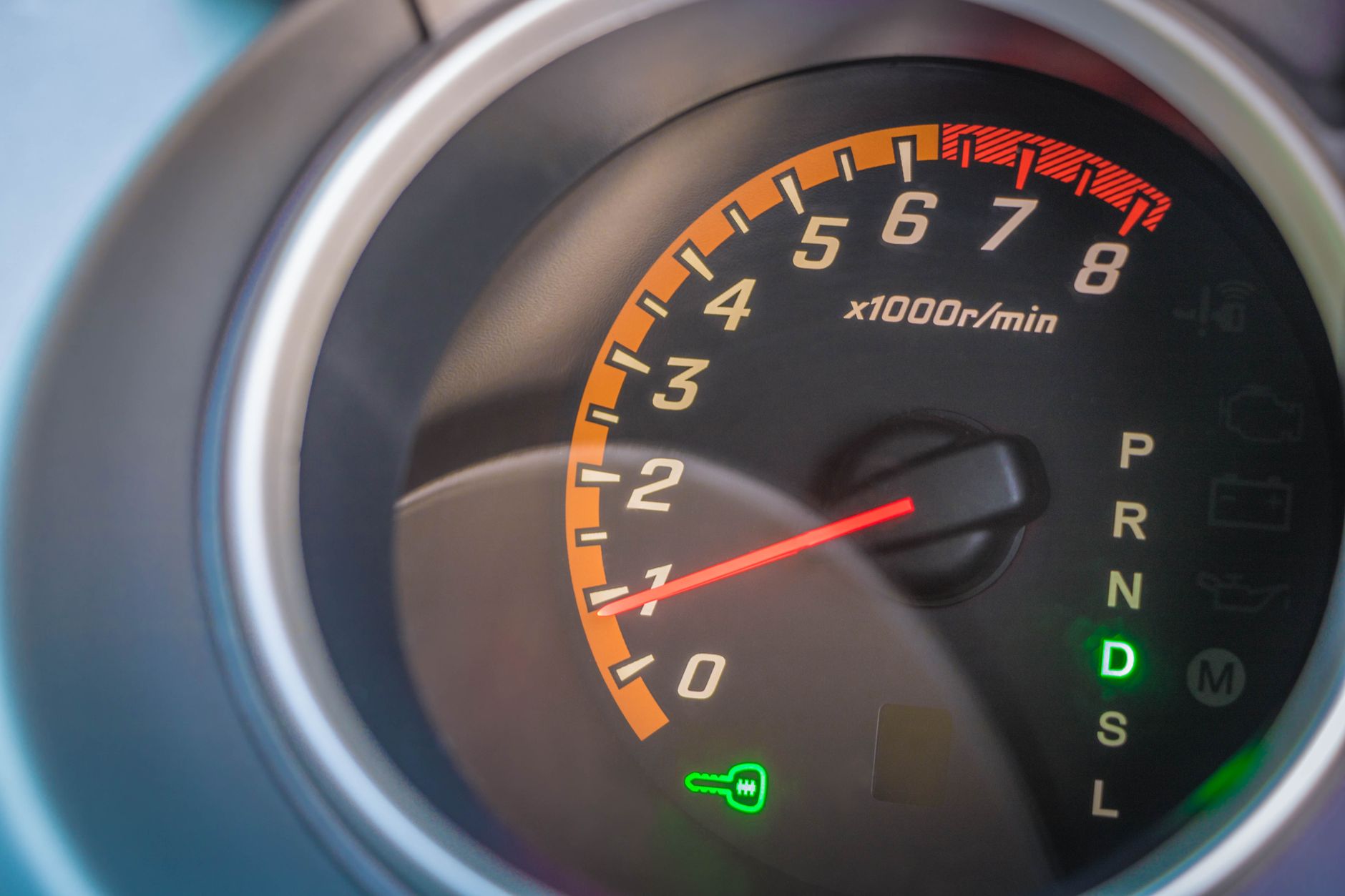
Quick answer: a transmission is slipping when your engine revs climb but the car doesn’t speed up to match, as Kelley Blue Book describes it. The usual causes are low or worn-out fluid, worn clutches or bands, a failing pump, or a solenoid or computer fault, per RepairPal. Low or dirty fluid can sometimes be fixed with a fluid service; worn internal parts usually mean a rebuild.
Written by Mark Dannunzio, co-owner and ASE-certified lead technician at Shift Masters Transmissions in Phoenix. Slipping is one of the three problems Mark and Ken and their team see most, and every slipping car gets a free check that starts with a code scan.
(Walks in, revs an imaginary engine, goes nowhere, takes a bow anyway.) That, friends, is what slipping feels like. Our transmission problems guide introduced Gary, your transmission, and Gary’s most dramatic way of complaining is exactly this.
So let’s talk about what Gary is trying to tell you, and whether a bottle from the parts store can calm him down. Spoiler: Gary does not respond well to bribes.
Why transmissions slip, at a glance
Each row links to its source. The clue narrows it down; only a check confirms it.
How can you tell if your transmission is slipping?
The classic sign is the one in the quick answer: you press the pedal, the engine shouts, and the car shrugs. (Gary hears you. Gary is just choosing not to participate.) Kelley Blue Book lists the wider family of warning signs: “Grinding, slipping, jerking, delayed engagement, and unusual noises.”
What causes a transmission to slip?
RepairPal sorts the causes into four groups: “Bad fluid level or condition / Lack of internal pressure / Worn holding devices / Electronic control problems.” (That’s mechanic for “thirsty, weak, worn out or confused.” Gary has had all four. Not at once, thankfully.)
Fluid comes first because it’s the cheapest to check: “A transmission doesn’t ‘burn’ fluid,” RepairPal notes, so a low level means a leak. Worn clutches, bands and pumps are the expensive end, and RepairPal says those typically mean a rebuild or replacement.
Will new fluid or an additive fix a slipping transmission?
Sometimes new fluid helps. If the fluid is low or dirty, RepairPal says to replace the fluid and filter and test the car to see if that solves it. (Best case: Gary was just thirsty and cranky, and we’ve all been there.)
Be careful with high-mileage units, though. Consumer Reports’ John Ibbotson warns that “power-flushing the transmission fluid can dislodge sludge and other particles, leading to clogs even after the clean fluid has been added” (Consumer Reports). That is why a check comes before a flush.
And the bottles? Lucas, which sells one, says its Transmission Fix “stops slip, hesitation and rough shifting in worn transmissions,” but its own page also says it’s “Not recommended for CVT transmissions.” Jalopnik says to use an additive only “if you’re trying to squeeze a few more shifts out of an already failing transmission.”
Our take, from the shop floor: a stop-slip additive can sometimes buy time, but it doesn’t fix worn parts. (It’s a pep talk for Gary, not physical therapy.) If you need the car to limp along until you can book it in, fine. Just don’t mistake a quieter Gary for a healthy one.
The codes behind a slipping transmission
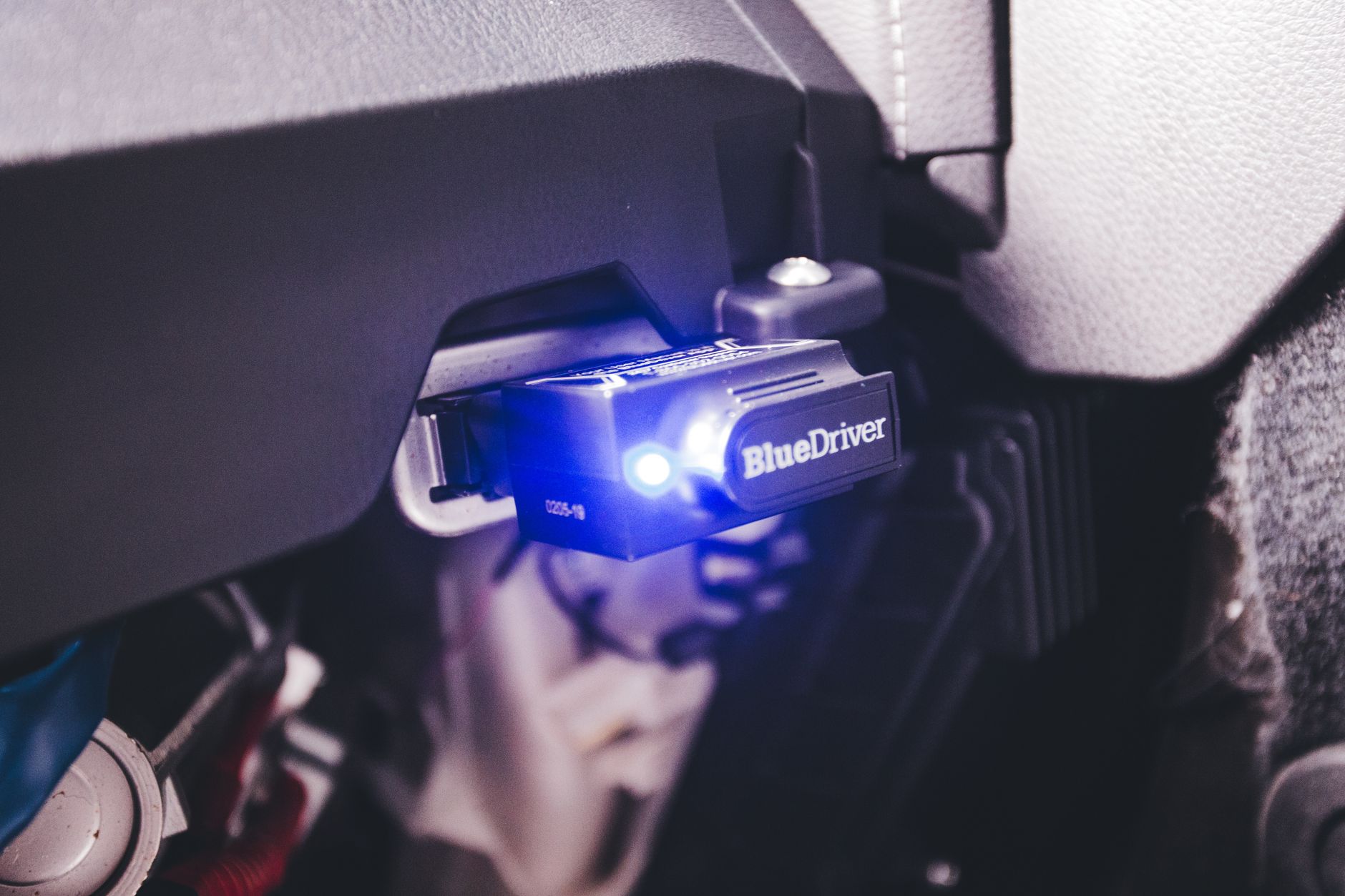
That’s why the first thing we do with a slipping car is scan for codes. (It’s the closest thing we have to asking Gary where it hurts.) Two of the codes most tied to slipping:
Can you keep driving with a slipping transmission?
Not for long. Kelley Blue Book is blunt: “You should not drive with the P0894 code active,” and it calls the code “very serious.” (I hate being the one who says it. I’d rather tell you Gary just needs a nap.)
KBB says the same about the gear-ratio code: “It’s not recommended to drive with a P0730 code.” Get it checked before a smaller repair has the chance to become a bigger one, which is the exact plot twist nobody wants.
What does it cost to fix a slipping transmission?
It depends entirely on the cause, and the two ends of the range are a long way apart. (Quite the range, which is why I’d never quote a slipping car over the phone.)
For the full set of national price ranges, from repairs to rebuilds, see our transmission rebuild cost guide.
Manual transmissions: a slipping clutch
On a manual, “slipping” usually means the clutch, not the gearbox: the revs climb in gear and the car lags behind. Jalopnik is clear on the bottle question here: “If you have a manual that’s slipping or grinding, no amount of magic parts store elixirs is going to fix that.” (Gary’s stick-shift cousin is even less impressed by bribes.)
What we see in the shop
Mark and Ken and their team have rebuilt thousands of transmissions, and slipping is one of the three complaints we hear most, along with harsh shifts and leaks. (Gary’s greatest hits.) Every one starts the same way: a free check and a code scan, before anyone mentions the word “rebuild.”
Sometimes the answer is much smaller than the fear. Michelle Cosby’s car wouldn’t shift into 4th:
“My car was not shifting into 4th gear and was quoted 5k for a transmission rebuild. I took it to mark, had him inspect it, and it turned out it just needed a fluid flush and the issue was fix. went from 5k to $500. Highly reccomend him and his team!”Michelle Cosby, Shift Masters customer
And when it is the big job, our transmission rebuilds carry a 3 years or 36,000 miles warranty on parts and labor.
Slipping transmission questions
What does a slipping transmission feel like?
The engine revs climb but the car doesn't speed up to match, as if it briefly slipped into neutral. You may also notice a pause before the car moves, rough shifts, or a check engine light.
Can low transmission fluid cause slipping?
Yes. Low or contaminated fluid is one of the most common causes. Transmission fluid doesn't burn off, so a low level means there is a leak that needs fixing, not just topping up.
Will Lucas Transmission Fix stop a slipping transmission?
Lucas says it stops slip in worn transmissions, but its own page says it is not recommended for CVT or dual-clutch transmissions. Jalopnik suggests additives only to squeeze a few more shifts out of an already failing transmission. It may buy time; it won't repair worn parts.
Can I keep driving with a slipping transmission?
It's not recommended. Kelley Blue Book says you should not drive with the slipping code P0894 active. Driving on it can turn a smaller repair into a rebuild.
Do you offer a free check for a slipping transmission?
Yes. Call the shop on (602) 612-4198 to book a free check at 1636 N 43rd Ave Ste 22 in Phoenix. We start by scanning for codes.