Transmission Rebuild Phoenix AZ: Complete Guide to Rebuilding, Repairing or Replacing Your Transmission
When a transmission begins to fail, one of the biggest questions Phoenix drivers face is whether the transmission should be repaired, rebuilt, or replaced.
That decision can be difficult because transmission problems can range from a relatively small component failure to extensive internal damage. Furthermore, the symptoms can sometimes look similar even when the underlying problems are completely different.
A transmission rebuild in Phoenix AZ may be an appropriate solution when a transmission has internal wear or damage but remains a good candidate for rebuilding. However, a rebuild is not automatically the right answer for every vehicle.
At Shift Masters Transmissions, our approach begins with diagnosis.
Before recommending a rebuild, repair, or replacement, the vehicle should be evaluated to determine what is actually happening. That process can include diagnostic scanning, road testing, fluid inspection, leak inspection, pressure testing, and, when necessary, internal transmission inspection.
This guide explains what a transmission rebuild is, when rebuilding makes sense, how rebuilding differs from replacement, what warning signs to watch for, and why Phoenix driving conditions deserve special consideration.
What Is a Transmission Rebuild?
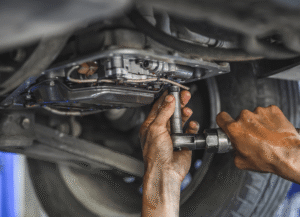
A transmission rebuild is a process in which a transmission is removed, disassembled, inspected, and repaired using appropriate replacement components.
During a rebuild, worn or damaged components are identified and replaced as needed. The transmission is then reassembled and tested according to the repair requirements of the specific unit.
However, a rebuild is not simply the same thing as installing a new transmission.
The exact work depends on the transmission, the condition of its components, the cause of failure, and the parts required to restore proper operation.
For that reason, no two transmission rebuilds are necessarily identical.
Why Would a Transmission Need to Be Rebuilt?
Transmission components experience wear over time.
Heat, fluid condition, mileage, driving habits, towing, vehicle load, maintenance history, and previous repairs can all affect transmission longevity.
Eventually, internal components can wear or fail.
Depending on the transmission, problems may involve:
- Clutches
- Bands
- Gears
- Bearings
- Bushings
- Seals
- Valve bodies
- Solenoids
- Torque converters
- Shafts
- Pumps
- Other internal components
Therefore, when significant internal damage is discovered, rebuilding may become one of the available repair options.
However, the transmission should be evaluated before making that determination.
Transmission Rebuild vs. Transmission Repair
These terms are sometimes used interchangeably, but they can describe different levels of work.
A transmission repair may involve correcting a specific problem without completely disassembling the transmission.
For example, a repair could involve:
- Repairing a transmission fluid leak
- Replacing a damaged seal
- Replacing a solenoid
- Repairing an external component
- Addressing an electronic problem
- Replacing another failed component
A rebuild generally involves more extensive internal work.
The transmission is disassembled so its internal components can be inspected and appropriate worn or damaged parts can be replaced.
Consequently, the decision between repair and rebuild depends on what the diagnosis reveals.
Transmission Rebuild vs. Transmission Replacement
Phoenix vehicle owners also frequently ask whether rebuilding is better than replacing a transmission.
There is no universal answer.
A rebuild may make sense when the existing transmission is suitable for rebuilding and the vehicle is otherwise worth keeping.
On the other hand, replacement may be more appropriate when damage is extensive, the existing unit is not a good rebuilding candidate, or another transmission assembly provides a better overall solution.
The replacement itself can involve different types of units depending on the vehicle and situation.
For example, a vehicle may use a remanufactured, rebuilt, or other appropriate replacement transmission.
Therefore, the decision should be based on the specific vehicle rather than a blanket rule.
Signs Your Transmission May Need a Rebuild
A transmission can provide warning signs before complete failure.
However, symptoms alone cannot confirm that a rebuild is necessary.
They can indicate that the vehicle needs further diagnosis.
Slipping Gears
Transmission slipping occurs when the transmission does not maintain the expected relationship between engine speed and vehicle speed.
You may notice the engine RPM increasing without a corresponding increase in vehicle speed.
Additionally, the transmission may seem to shift unexpectedly or struggle to remain in gear.
Slipping can have several causes.
For example, the issue could involve fluid, electronic controls, hydraulic pressure, or internal wear.
Therefore, a slipping transmission should be diagnosed before assuming that rebuilding is required.
Hard Shifting
Hard or harsh gear changes can be another warning sign.
You may feel the transmission jerk when shifting into Drive or during acceleration.
However, harsh shifting does not automatically mean that the transmission has suffered major internal damage.
Electronic controls, fluid problems, solenoids, sensors, and other components can contribute to shifting concerns.
Consequently, accurate diagnosis is important.
Delayed Engagement
Delayed engagement happens when there is a noticeable pause between selecting Drive or Reverse and the vehicle beginning to move.
For instance, you may shift into Reverse and experience a delay before the transmission engages.
Although the vehicle may continue to operate, repeated delayed engagement should be investigated.
Over time, the underlying problem could potentially become more serious.
Transmission Fluid Leaks
A transmission leak can be an early warning sign of a developing problem.
Seals, gaskets, lines, fittings, and other components can potentially leak.
If fluid levels become too low, transmission operation can be affected.
Therefore, a leak should not simply be ignored because the vehicle still drives.
Identifying and correcting the source of the leak can help prevent additional transmission problems.
Burning Smell
A burning smell can indicate excessive heat or another mechanical concern.
Phoenix drivers should pay particular attention to unusual odors during periods of extreme heat or after heavy vehicle use.
However, a burning smell can have several possible causes.
Therefore, the vehicle should be inspected rather than assuming the transmission is automatically failing.
Unusual Noises
Whining, grinding, humming, clunking, or other unusual sounds can indicate a drivetrain or transmission problem.
However, determining the source of the noise is important.
Other drivetrain components can sometimes create symptoms that resemble a transmission problem.
Consequently, a professional inspection can help determine whether the transmission itself is responsible.
Why Phoenix Heat Matters When Considering a Transmission Rebuild
Phoenix presents challenging operating conditions for vehicles.
Extreme summer temperatures can increase the thermal demands placed on automotive systems.
Transmission fluid plays an important role in lubrication and heat management. However, excessive heat and demanding operation can contribute to fluid degradation and component stress.
Additionally, Phoenix drivers frequently encounter heavy traffic and stop-and-go conditions.
Long commutes can add even more operating time.
Towing and hauling can also increase transmission workload.
Therefore, Arizona driving conditions should be considered when evaluating transmission maintenance and repair.
This does not mean that every Phoenix transmission will fail because of heat.
Instead, heat is one factor among many that can influence transmission performance and longevity.
Can a Transmission Be Rebuilt Instead of Replaced?
In many situations, rebuilding can be an option.
However, the answer depends on the condition of the transmission.
A qualified transmission technician can evaluate the transmission and determine whether its components and housing are suitable for rebuilding.
For example, if the transmission has internal wear but can be properly restored, rebuilding may be appropriate.
On the other hand, severe damage or other circumstances may make replacement a better option.
Therefore, the correct answer comes from diagnosis and inspection rather than a generic recommendation.
What Happens During a Transmission Rebuild?
The exact rebuild process varies according to the transmission.
Nevertheless, a typical rebuild can involve several major stages.
Diagnosis
First, the vehicle’s symptoms and diagnostic information are evaluated.
This can include computer diagnostics, road testing, fluid inspection, and other testing.
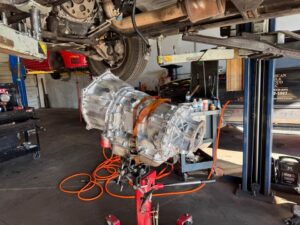
Transmission Removal
If internal inspection is necessary, the transmission may need to be removed from the vehicle.
The exact procedure varies depending on the vehicle.
Disassembly
The transmission is disassembled so internal components can be inspected.
This provides an opportunity to identify wear, damage, contamination, and other issues.
Component Inspection
Internal components are examined for wear or damage.
Depending on the findings, certain components may need to be replaced.
Reassembly
Once appropriate repairs and component replacements have been completed, the transmission is reassembled.
Installation and Testing
The transmission is installed back into the vehicle.
Afterward, testing can help verify operation and shifting performance.
Consequently, a rebuild is a detailed process rather than simply replacing a single part.
How Much Does a Transmission Rebuild Cost in Phoenix?
Transmission rebuild costs can vary substantially.
The final cost depends on several factors, including:
- Vehicle make and model
- Transmission type
- Transmission condition
- Extent of internal damage
- Parts required
- Labor
- Additional repairs
- Fluid and related service
- Whether other drivetrain components are involved
Therefore, it is difficult to provide a meaningful universal price without diagnosing the vehicle.
A transmission rebuild for one vehicle can be very different from a rebuild for another.
For that reason, vehicle owners should be cautious about advertisements promising a single fixed price for every transmission.
The actual condition of the transmission matters.
Is Rebuilding a Transmission Worth It?
Whether rebuilding is worthwhile depends on the vehicle and its overall condition.
Consider factors such as:
- Vehicle mileage
- Overall mechanical condition
- Maintenance history
- Body condition
- Engine condition
- Repair history
- Expected future use
- Cost of the repair
- Availability of replacement options
For example, a well-maintained vehicle with many useful years ahead of it may be a strong candidate for transmission rebuilding.
Conversely, a vehicle with multiple major mechanical problems may require a different financial decision.
Therefore, the transmission should be considered as part of the entire vehicle rather than in isolation.
Why Proper Transmission Diagnostics Come First
Diagnostics are one of the most important parts of transmission repair.
Modern transmissions combine mechanical components with sophisticated electronic and hydraulic systems.
As a result, similar symptoms can have very different causes.
For example, a vehicle that shifts poorly could have a fluid issue, sensor problem, solenoid problem, electronic control issue, or internal mechanical failure.
Therefore, replacing or rebuilding the transmission without first understanding the problem can result in unnecessary expense.
At Shift Masters Transmissions, the diagnostic process can include:
- Computer diagnostic scanning
- Transmission code analysis
- Road testing
- Fluid inspection
- Leak inspection
- Shift performance evaluation
- Pressure testing when appropriate
- Vehicle condition assessment
- Internal inspection when necessary
The goal is straightforward:
Find the cause before deciding on the repair.
Transmission Rebuilding for Automatic Transmissions
Automatic transmissions contain numerous precision components that work together to change gears and transfer engine power.
When internal wear occurs, shifting performance can change.
Symptoms may include slipping, delayed engagement, hard shifting, overheating, or loss of certain gears.
However, the exact repair depends on the transmission design and diagnostic findings.
Therefore, automatic transmission rebuilding requires knowledge of the specific transmission rather than a one-size-fits-all process.
Transmission Rebuilding for Manual Transmissions
Manual transmissions operate differently from automatic transmissions.
They use a clutch and driver-controlled gear selection.
Internal components such as gears, synchronizers, bearings, shafts, and other parts can experience wear.
Grinding during shifts, difficulty selecting gears, unusual noises, and other changes in operation can indicate a problem.
However, clutch problems can sometimes create symptoms that resemble transmission problems.
Consequently, the entire system should be evaluated before deciding that the transmission itself needs to be rebuilt.
Transmission Rebuilding for Trucks and SUVs
Phoenix drivers use trucks and SUVs for many different purposes.
Some vehicles are daily commuters.
Others are used for towing, hauling, work, recreation, or fleet operations.
Because towing and heavy loads can increase drivetrain demands, transmission condition becomes especially important.
For example, a vehicle that regularly tows may operate under significantly different conditions from a lightly used passenger car.
Therefore, usage history should be part of the diagnostic conversation.
High-Mileage Transmission Rebuilds
High mileage does not automatically mean a vehicle needs a new transmission.
In fact, some high-mileage vehicles remain excellent candidates for continued service when they have been properly maintained.
However, internal wear becomes more likely as components accumulate miles and operating cycles.
Consequently, transmission symptoms in a high-mileage vehicle should be evaluated rather than ignored.
The vehicle’s overall condition also matters.
Can Transmission Maintenance Prevent a Rebuild?
Proper maintenance cannot guarantee that a transmission will never fail.
Nevertheless, following appropriate service requirements can support long-term transmission performance.
Maintenance considerations may include:
- Correct transmission fluid
- Proper fluid level
- Manufacturer-recommended service
- Leak inspection
- Cooling system condition
- Appropriate towing practices
- Early attention to shifting problems
Furthermore, Phoenix’s extreme temperatures make proper vehicle maintenance particularly important.
What Happens If You Ignore Transmission Problems?
Ignoring transmission warning signs can allow a developing problem to become more severe.
For example, a small leak can continue reducing fluid levels.
A minor shifting problem can become more pronounced.
Internal components that are already experiencing abnormal wear can continue operating under stress.
Eventually, a repair that might have been manageable earlier could become more extensive.
Therefore, early diagnosis is generally preferable to waiting for complete failure.
Transmission Rebuilds and Phoenix Stop-and-Go Driving
Phoenix traffic can be demanding on vehicles.
Frequent acceleration, braking, gear changes, and extended periods of low-speed driving can create different operating conditions from steady highway travel.
Additionally, Phoenix commuters may spend significant time behind the wheel every week.
As a result, transmission maintenance can become particularly important for high-use vehicles.
If your vehicle begins shifting differently during traffic or after extended driving, consider having it evaluated.
Transmission Rebuilds for Fleet Vehicles
Businesses depend on their vehicles to remain operational.
For that reason, transmission problems can create more than a repair bill.
They can also create downtime.
Shift Masters Transmissions provides fleet maintenance and automotive services designed to help businesses keep vehicles operating reliably.
Early diagnosis can be particularly valuable for fleet vehicles because identifying a developing problem may help businesses plan repairs rather than dealing with an unexpected breakdown.
Choosing a Transmission Rebuild Shop in Phoenix
Choosing a transmission shop is an important decision.
First, look for experience with transmission diagnostics and rebuilding.
Next, consider whether the shop explains what it found.
Additionally, look for a business with a real local presence, consistent business information, customer reviews, and clear service information.
A quality transmission shop should be willing to explain why a rebuild is recommended.
Furthermore, the shop should be able to explain alternatives when appropriate.
The objective should not simply be to sell the most expensive repair.
Instead, the goal should be to identify the appropriate solution for the vehicle.
Why Shift Masters Transmissions
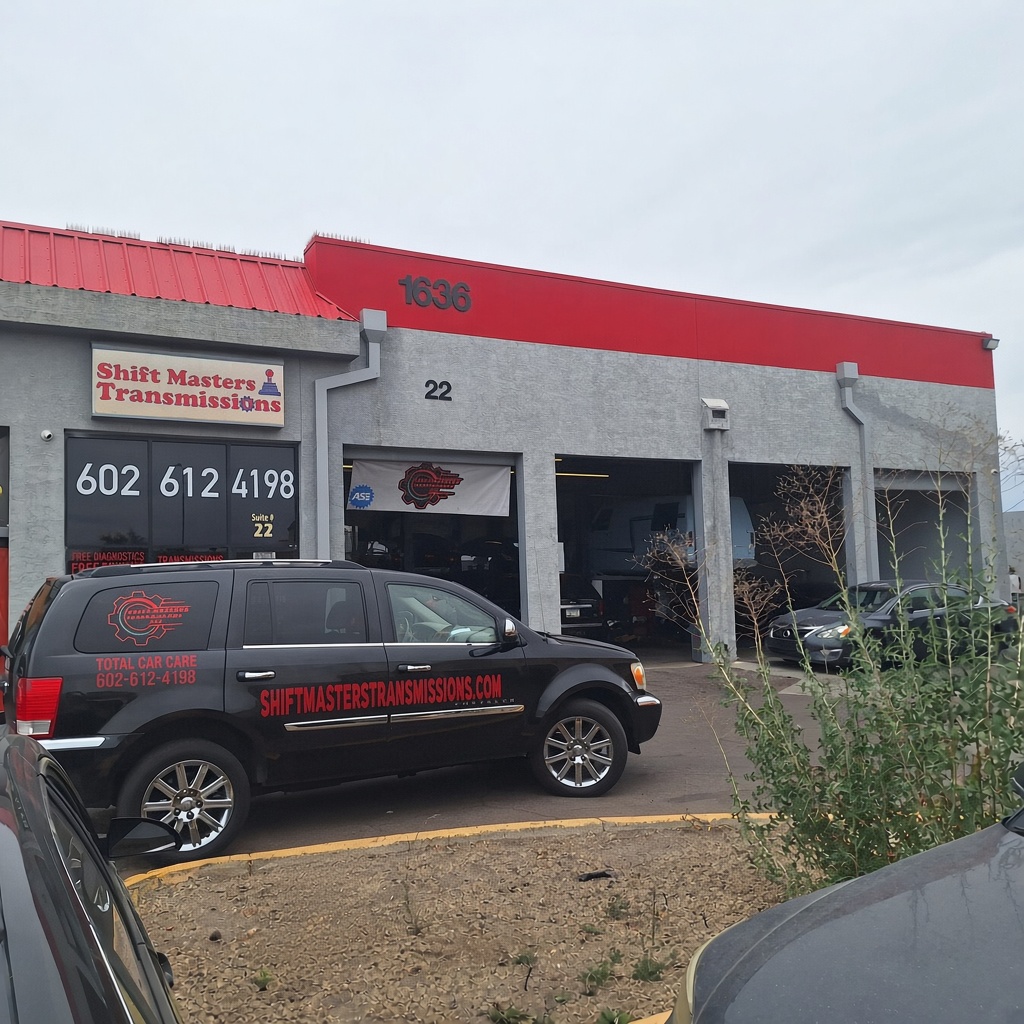
Shift Masters Transmissions specializes in transmission diagnostics, repair, rebuilding, replacement, and automotive service for Phoenix-area drivers.
The shop’s current service information identifies Phoenix as its home market and lists service coverage throughout communities including Scottsdale, Glendale, Mesa, Chandler, Gilbert, Tempe, Peoria, Surprise, Goodyear, Avondale, Paradise Valley, Cave Creek, and other Valley communities.
The team also identifies ASE-certified automotive care, transmission diagnostics, rebuilds, repairs, general maintenance, brake repair, AC repair, engine diagnostics, and fleet maintenance among its services.
Most importantly, the repair process should begin with understanding the vehicle’s actual problem.
That means diagnosing the transmission before deciding whether rebuilding is appropriate.
Phoenix Transmission Rebuilds for the Surrounding Valley
Shift Masters Transmissions serves drivers throughout the Phoenix metropolitan area.
That includes customers from:
- Phoenix
- Scottsdale
- Tempe
- Mesa
- Chandler
- Gilbert
- Glendale
- Peoria
- Surprise
- Goodyear
- Avondale
- Buckeye
- Laveen
- Paradise Valley
- Cave Creek
- Queen Creek
- San Tan Valley
- Apache Junction
- Sun City
- Tolleson
- Litchfield Park
However, geographic relevance should never replace useful information.
The purpose of this page is to help Valley drivers understand when a transmission rebuild may be appropriate and what factors should be considered before making that decision.
Frequently Asked Questions About Transmission Rebuilds in Phoenix
How do I know if my transmission needs to be rebuilt?
Symptoms such as slipping, hard shifting, delayed engagement, loss of gears, unusual noises, overheating, and fluid problems can indicate a transmission concern. However, these symptoms do not automatically mean a rebuild is necessary. Diagnosis is required.
Is rebuilding a transmission better than replacing it?
Not necessarily. The better option depends on the condition of the existing transmission, the vehicle’s overall condition, available replacement options, cost, and long-term plans for the vehicle.
How long does a transmission rebuild take?
The time required varies according to the vehicle, transmission design, diagnosis, parts availability, and extent of the work. A specific timeline can be provided after the vehicle and transmission have been evaluated.
How much does a transmission rebuild cost?
Costs vary according to the vehicle, transmission, internal damage, parts, labor, and additional repairs. A professional diagnosis is necessary to provide a meaningful estimate.
Can a transmission be rebuilt after it starts slipping?
Sometimes. Slipping can have several causes, and not all require a rebuild. The transmission should be diagnosed to determine whether the issue involves fluid, electronics, hydraulic operation, external components, or internal wear.
Does Phoenix heat affect transmission life?
Extreme heat can create demanding operating conditions for vehicles. Transmission fluid and cooling are particularly important when vehicles operate under high temperatures, heavy traffic, towing, or other demanding conditions.
Is a rebuilt transmission reliable?
A properly performed rebuild can restore a transmission when the unit is an appropriate candidate for rebuilding. However, reliability depends on the specific transmission, components, repair process, installation, and vehicle condition.
Can low transmission fluid cause internal damage?
Low fluid can affect lubrication, hydraulic operation, and heat management. If fluid is being lost because of a leak, continued operation can potentially contribute to additional damage.
Should I rebuild my transmission or buy another vehicle?
That decision depends on the entire vehicle.
Mileage, engine condition, body condition, maintenance history, repair history, vehicle value, and expected future use should all be considered.
A transmission rebuild should therefore be evaluated as part of the vehicle’s overall condition.
Can you rebuild transmissions for trucks and SUVs?
Transmission rebuilding depends on the specific vehicle and transmission. Shift Masters Transmissions works with a wide range of cars, trucks, SUVs, fleet vehicles, domestic vehicles, and imported vehicles.
When a Transmission Rebuild Makes Sense
A transmission rebuild can be an effective repair option when the existing transmission is suitable for rebuilding and the vehicle is worth keeping.
However, that determination should come after diagnosis.
The goal is to understand the actual condition of the transmission and compare the available repair options.
Sometimes the answer will be a component repair.
Sometimes it will be a rebuild.
In other situations, replacement may make more sense.
Therefore, the right repair is the one that fits the vehicle’s condition, the transmission’s condition, and the owner’s needs.
Don’t Guess When Your Transmission Is Failing
Transmission problems can create anxiety because many drivers immediately assume they need a complete transmission replacement.
Fortunately, that is not always the case.
A vehicle may have a repairable component problem.
It may need fluid service.
It may require a transmission rebuild.
Alternatively, replacement could be the better solution.
The only reliable way to determine the appropriate direction is to diagnose the vehicle.
At Shift Masters Transmissions, the process starts by identifying the problem and explaining the available options.
That approach helps Phoenix drivers make informed decisions about their vehicles.
Phoenix Transmission Rebuild Experts
If your vehicle is slipping, shifting hard, leaking fluid, overheating, making unusual noises, or experiencing another transmission problem, do not wait until complete failure to investigate the issue.
A professional diagnostic evaluation can help determine whether your vehicle needs a transmission repair, rebuild, replacement, or another solution.
Shift Masters Transmissions provides transmission diagnostics, repairs, rebuilding, replacement, maintenance, and related automotive services for drivers throughout Phoenix and the surrounding Valley.
If you think your transmission may need to be rebuilt, contact Shift Masters Transmissions for a professional evaluation and learn what options are appropriate for your vehicle.