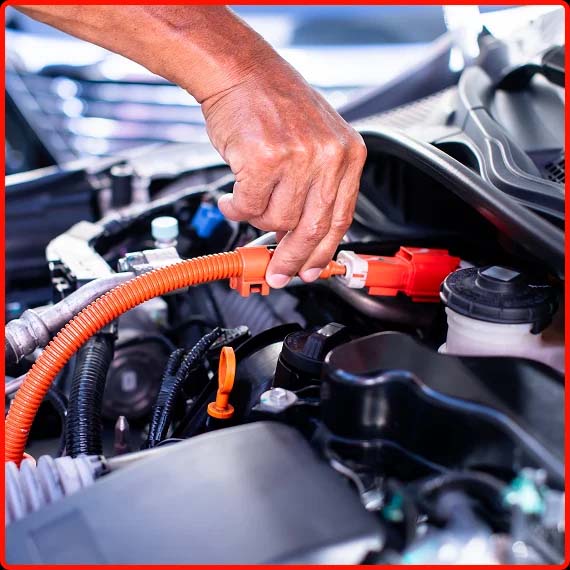
Why Early Engine Trouble Detection Matters for Phoenix Drivers
Living in Phoenix means your vehicle faces unique challenges—relentless heat, stop-and-go traffic, and long stretches of highway driving. These conditions can put extra strain on your engine, making early detection of engine trouble essential for preventing unexpected breakdowns, costly repairs, and unnecessary downtime. By recognizing the practical signs of trouble and understanding how engine diagnostics work, you can keep your car running reliably, whether you rely on it for daily commutes or manage a small fleet.
Common Early Signs Your Engine Needs Attention
Spotting engine trouble early is all about being attentive to subtle changes in how your vehicle behaves. Many Phoenix drivers notice issues long before a complete failure occurs. Here are the most practical signs you might observe:
- Unusual Noises: Knocking, ticking, or grinding sounds often signal internal wear or a lack of lubrication.
- Rough Idling or Stalling: If your engine stumbles or hesitates when stopped at a light, it could indicate a problem with fuel delivery, ignition, or air intake.
- Poor Acceleration: Sluggish response when pressing the gas pedal may point to trouble with fuel injectors, spark plugs, or even transmission issues.
- Visible Exhaust Smoke: Excessive smoke—especially blue, white, or black—suggests oil burning, coolant leaks, or improper fuel combustion.
- Unusual Smells: Burning oil, sweet coolant, or raw fuel odors often indicate leaks or failing components.
- Dashboard Warning Lights: The check engine light is the most obvious signal that your vehicle’s onboard computer has detected a fault.
Paying attention to these practical signs can help you address engine trouble before it escalates into a major repair. If you notice any of these symptoms, it’s wise to schedule engine diagnostics with a trusted technician.
Understanding the Check Engine Light and What It Means
The check engine light is your car’s way of telling you something isn’t right. For many drivers in Phoenix, this warning can be a source of anxiety—especially when you depend on your vehicle for work or family obligations. Here’s what you need to know about check engine light diagnosis:
- Solid vs. Flashing Light: A steady check engine light usually means a non-emergency issue, while a flashing light indicates a more serious problem that requires immediate attention.
- Common Triggers: Issues like a loose gas cap, malfunctioning oxygen sensor, or misfiring spark plug can all activate the warning.
- Diagnostic Codes: Modern vehicles store a code whenever the light comes on. A professional scan tool reads these codes, helping technicians pinpoint the root cause quickly.
- Don’t Ignore It: Even if your car seems to run fine, ignoring the warning can lead to reduced fuel efficiency, higher emissions, or more severe engine damage over time.
When the check engine light appears, a prompt check engine light diagnosis can save you from costly repairs down the road. You’ll also benefit from the peace of mind that comes with knowing exactly what’s going on under the hood.
How Engine Diagnostics Pinpoint Problems Quickly
Gone are the days when engine troubleshooting was all guesswork. Today’s vehicles are equipped with sophisticated onboard computers that monitor every critical system. Here’s how modern engine diagnostics make car engine troubleshooting more accurate and efficient:
- Computerized Scanning: Technicians use advanced diagnostic tools to communicate with your car’s computer, retrieving error codes and real-time data.
- Live Data Analysis: These tools allow for monitoring of engine temperature, fuel trim, sensor outputs, and more—helping to identify subtle issues that might not trigger a warning light yet.
- Component Testing: Diagnostic procedures often include targeted tests for ignition coils, fuel injectors, sensors, and other components to confirm the exact nature of the fault.
- Clear Recommendations: With precise information, technicians can provide you with honest recommendations, transparent pricing, and a clear timeline for repairs.
Engine diagnostics aren’t just for fixing problems—they’re also valuable for preventative maintenance. By catching small issues early, you can avoid the disruption and expense of a major engine failure.
Practical Troubleshooting Steps You Can Take
While professional diagnostics are the gold standard, there are practical steps you can take to assess engine trouble before heading to the shop. Here’s how you can contribute to effective car engine troubleshooting:
- Listen and Observe: Take note of any new sounds, smells, or performance changes, and be ready to describe them in detail to your technician.
- Check Fluids: Regularly inspect oil, coolant, and transmission fluid levels. Unusual drops or discoloration can be early indicators of leaks or internal problems.
- Monitor Gauges: Keep an eye on engine temperature and oil pressure gauges, especially during hot Phoenix summers. Sudden spikes or drops warrant immediate attention.
- Inspect for Leaks: Look for puddles or stains under your vehicle after parking. Oil, coolant, or fuel leaks should never be ignored.
- Record Warning Lights: If your check engine light comes on, note whether it’s steady or flashing and if any other lights (such as oil or temperature) also appear.
Sharing these observations with your technician helps streamline the diagnostic process, ensuring faster and more accurate repairs. It also demonstrates your commitment to keeping your vehicle reliable and safe on Phoenix roads.
Why Phoenix’s Climate Makes Early Detection Even More Crucial
Extreme heat and dust are part of daily life in Phoenix, and they can accelerate wear on your engine. High temperatures increase the risk of overheating, while airborne dust can clog air filters and sensors. Here’s how the local climate impacts your engine and why early detection is vital:
- Overheating Risks: Engines are more likely to overheat in traffic or during long drives. Early signs like rising temperature gauges or coolant smells should prompt immediate attention.
- Accelerated Wear: Oil and coolant break down faster in hot conditions, reducing their effectiveness. Regular checks and timely oil changes are essential.
- Air Filter Clogging: Dust storms can quickly clog air filters, leading to reduced engine performance and increased fuel consumption.
- Battery Stress: High heat can shorten battery life, which in turn affects ignition and engine reliability.
By staying alert to early warning signs and scheduling routine engine diagnostics, you can protect your investment and avoid the inconvenience of unexpected breakdowns—especially during the peak of summer.
When to Schedule Professional Engine Diagnostics
Knowing when to seek professional help is just as important as spotting early signs of trouble. Here are situations where you should prioritize a visit to a trusted local shop for engine diagnostics:
- Persistent Warning Lights: If your check engine light remains on after a reset or comes back repeatedly, professional diagnosis is essential.
- Performance Changes: Noticeable drops in power, acceleration, or fuel efficiency indicate underlying issues that require expert attention.
- Unresolved Noises or Vibrations: Unexplained engine noises or unusual vibrations should be checked promptly to prevent further damage.
- Before Long Trips: Scheduling a diagnostic check before a road trip can help prevent breakdowns far from home.
- Fleet Vehicles: For business owners, regular engine diagnostics are a smart investment in minimizing downtime and controlling long-term maintenance costs.
Choosing a shop that specializes in car engine troubleshooting and offers transparent communication ensures you get clear answers and reliable service every time.
What to Expect During a Professional Engine Diagnostics Appointment
When you bring your vehicle in for engine diagnostics, you benefit from a process that’s designed to take the guesswork out of car engine troubleshooting. A professional technician will begin by gathering information from you—details about when the trouble started, what you’ve noticed, and any recent repairs or maintenance. This first step helps narrow the focus and ensures that nothing is overlooked.
Once your concerns are understood, the technician connects advanced diagnostic equipment to your vehicle’s onboard computer. This scan retrieves diagnostic trouble codes (DTCs), which are the starting point for identifying problems. But expert diagnostics go beyond just reading codes. The technician will:
- Interpret the codes in the context of your specific vehicle and symptoms
- Review live data streams from sensors, such as oxygen sensors, mass airflow sensors, and throttle position sensors
- Conduct targeted component tests to confirm or rule out suspected issues
- Visually inspect for obvious problems like wiring damage, leaks, or loose connections
- Perform a test drive, if needed, to replicate symptoms and gather more information
This thorough approach ensures that you receive a clear, accurate diagnosis. You’ll get a straightforward explanation of what’s wrong, why it happened, and what your options are for repair. Transparent pricing and honest recommendations are hallmarks of reputable shops, so you’re never left guessing about costs or outcomes.
How Regular Engine Diagnostics Support Preventative Auto Maintenance
Engine diagnostics are not just for emergencies or when the check engine light is on. Integrating regular diagnostics into your routine auto maintenance can help you catch small issues before they become bigger, more expensive problems. This is especially important in Phoenix, where environmental stressors can accelerate wear and tear.
During routine maintenance visits, a technician can run a quick diagnostic scan and review live data to check for:
- Minor misfires or sensor readings that are out of range
- Early signs of component wear, such as ignition coils or fuel injectors beginning to fail
- Small leaks or evaporative emissions issues that may not trigger a warning light yet
Combining these diagnostics with regular oil changes, air filter replacements, and fluid checks creates a comprehensive maintenance plan. This approach helps you avoid surprise breakdowns, improve fuel efficiency, and keep your engine running smoothly through every season.
Practical Benefits of Early Engine Diagnostics for Phoenix Drivers
Addressing engine trouble at the first sign brings several practical advantages to drivers in Phoenix. By acting quickly, you can:
- Avoid costly repairs by catching problems before they escalate
- Reduce the risk of being stranded in extreme weather conditions
- Protect your vehicle’s resale value by maintaining a strong service record
- Minimize downtime, which is especially important for commercial vehicles and small fleet operators
- Enjoy greater peace of mind knowing your vehicle is safe and dependable
With the right approach to car engine troubleshooting, you turn potential headaches into manageable maintenance tasks. This proactive mindset is the best defense against the challenges of driving in the Valley of the Sun.
Engine Diagnostics and the Role of Trusted Technicians
While today’s vehicles are more complex than ever, a skilled technician makes all the difference in accurate engine diagnostics. Look for shops that invest in ongoing training and use up-to-date diagnostic tools. Their expertise ensures that codes are interpreted correctly and that repairs address the real issue—rather than just masking symptoms.
Trusted technicians also communicate clearly. They’ll walk you through the diagnostic results, explain the underlying causes, and outline repair options that fit your needs and budget. This level of transparency builds trust and ensures you’re always in control of your vehicle’s care.
For Phoenix drivers, finding a local shop with a reputation for honesty and technical skill is key. Whether you’re dealing with a persistent check engine light or subtle performance changes, you deserve a partner who prioritizes your time and your vehicle’s reliability.
Key Questions to Ask When Engine Trouble Arises
When you suspect engine trouble, being prepared with the right questions can help you get the most out of your diagnostic appointment. Consider asking:
- What specific codes or issues did the diagnostics reveal?
- Are there any immediate safety concerns that need to be addressed?
- What are the recommended repair options, and what are their costs?
- Will repairs come with a warranty, and what does it cover?
- How long will the repairs take, and is there flexibility in scheduling?
- What preventative steps can I take to avoid similar issues in the future?
These questions help you make informed decisions and ensure that the repair process is as smooth and transparent as possible. They also signal to your technician that you value clear communication—a quality that should be reciprocated throughout your service experience.
How Engine Diagnostics Improve Fleet Maintenance and Uptime
If you manage a small business fleet in Phoenix, engine diagnostics become even more critical. Every hour a vehicle is out of commission can impact your bottom line. Proactive diagnostics allow you to:
- Identify and address recurring issues across multiple vehicles
- Plan maintenance around business needs to minimize operational disruptions
- Track repair histories and spot patterns that may indicate systemic problems
- Ensure compliance with emissions and safety regulations
- Reduce emergency repair costs by catching problems early
Partnering with a transmission and auto repair shop that understands the demands of fleet operations ensures you get fast, accurate diagnostics and flexible scheduling. This approach helps you maintain a reliable fleet and keep your business running smoothly, regardless of the season.
Engine Diagnostics and Check Engine Light Diagnosis for Modern Vehicles
Modern vehicles are equipped with advanced systems that continuously monitor engine performance. When a problem arises, the onboard computer records a fault code and often triggers the check engine light. Understanding how these systems work helps you appreciate the value of timely check engine light diagnosis.
Technicians use specialized scanners to access these codes and analyze the data. Some issues may be straightforward—such as a faulty sensor or a loose gas cap—while others require deeper investigation. In either case, prompt attention prevents minor faults from developing into major engine damage.
By staying proactive with check engine light diagnosis and regular engine diagnostics, you maintain control over your vehicle’s health. This approach is especially important in Phoenix, where environmental stresses can accelerate wear on sensitive components.
Recognizing the Value of Engine Diagnostics in Phoenix’s Unique Driving Environment
Phoenix’s climate demands more from your vehicle than many other regions. High temperatures, dust, and heavy traffic create the perfect storm for accelerated engine wear. Engine diagnostics provide a clear window into your vehicle’s health, allowing you to address issues before they become disruptive.
With the right diagnostic approach, you gain:
- Early warnings about overheating or coolant loss
- Detection of air filter or sensor issues caused by dust storms
- Assurance that your engine is running at peak efficiency, even during extreme heat
- Insights into battery performance and charging system health
Regular checkups and diagnostics are your best tools for navigating the unique challenges of driving in the Valley. They help you stay ahead of problems and protect your investment, whether you’re driving for work or personal use.
Integrating Car Engine Troubleshooting into Your Maintenance Routine
Making car engine troubleshooting a standard part of your maintenance routine pays dividends in reliability and peace of mind. Schedule diagnostic checks at regular intervals—especially before long trips or as part of seasonal maintenance. Keep detailed records of any codes, repairs, and technician recommendations, as these can provide valuable insights over time.
If you manage a fleet, work with a shop that offers maintenance planning and diagnostic reporting. This ensures you have the data needed to make smart decisions about repairs, replacements, and preventative care. For individual drivers, building a relationship with a trusted local shop means you always have a resource for questions and concerns.
Empowering Yourself with Knowledge and Reliable Service
Staying alert to the signs of engine trouble and understanding how engine diagnostics work empowers you to take control of your vehicle’s care. You don’t need to be a mechanic to notice when something feels off—just a willingness to pay attention and seek expert help when needed.
By combining your observations with the expertise of skilled technicians, you ensure that your vehicle remains dependable in the face of Phoenix’s demanding conditions. Whether you’re navigating city traffic, embarking on a road trip, or keeping a business fleet on the road, a proactive approach to engine diagnostics and troubleshooting is your best strategy for uninterrupted mobility and long-term savings.
Expert Engine Diagnostics: What Sets a Reliable Shop Apart
Choosing the right shop for engine diagnostics and troubleshooting in Phoenix means looking for more than just technical know-how. You deserve a team that values transparent communication, fair pricing, and respect for your time. When you bring your vehicle in, you should expect technicians who listen to your concerns, explain diagnostic findings in plain language, and recommend only the repairs you need—nothing more, nothing less.
Advanced diagnostic capabilities make a difference. Shops that invest in the latest scan tools and training can quickly interpret check engine light codes, assess sensor data, and pinpoint the exact cause of performance issues. This efficiency not only saves you money but also minimizes downtime, getting you and your vehicle back on the road with confidence.
How Transparent Diagnostics and Honest Recommendations Benefit You
When it comes to car engine troubleshooting, clarity is crucial. You want a shop that provides a detailed diagnosis, walks you through the findings, and offers honest recommendations. This approach ensures you understand the problem and can make informed decisions about repairs, budgeting, and long-term vehicle care.
- Receive clear explanations for every warning light or abnormal engine behavior
- Understand which issues require immediate attention and which can be planned for future maintenance
- Get a transparent estimate before any work begins, so there are no surprises
- Benefit from a detailed breakdown of warranty coverage for recommended services
These practices build trust and give you peace of mind—especially important whether you’re managing a single vehicle or responsible for a small fleet.
Minimizing Downtime with Fast Turnarounds and Flexible Scheduling
Engine trouble doesn’t wait for a convenient time. That’s why fast turnaround and scheduling flexibility are vital. Whether you’re a commuter, a busy parent, or a business owner keeping a fleet on the road, you need service options that fit your schedule and minimize disruption.
- Same-day or next-day appointments for urgent diagnostics and repairs
- After-hours drop-off and pick-up options to work around your commitments
- Clear communication about repair timelines, so you can plan accordingly
Reliable shops understand the importance of keeping your vehicle in service and will work with you to reduce downtime, helping you avoid the costs and stress of extended repairs.
Supporting Fleet Managers and Local Businesses with Engine Diagnostics
For local businesses and fleet managers, engine diagnostics are an essential part of maintaining productivity and controlling costs. A trusted shop will offer customized solutions that streamline maintenance for multiple vehicles and provide clear reporting on diagnostics, repairs, and warranties.
- Centralized scheduling and coordination for fleet service needs
- Preventative diagnostics to catch issues before they disrupt your operations
- Detailed records and reports to help you track vehicle health and plan maintenance budgets
- Flexible billing and service options designed for business customers
With these services, you can keep your fleet running efficiently, meet regulatory requirements, and protect your investment in every vehicle.
Engine Diagnostics and Warranty Coverage: Peace of Mind for Every Repair
Knowing that your repairs are backed by warranty coverage brings an extra layer of confidence. When you choose a shop that stands behind its work, you benefit from:
- Clear warranty terms provided upfront for all diagnostic and repair services
- Coverage for both parts and labor, so you’re protected against unexpected costs
- Support if you experience any issues after your repair, with prompt follow-up and resolution
This commitment ensures you’re never left wondering about the quality of your repairs or your coverage, allowing you to drive with assurance through Phoenix’s challenging conditions.
Practical Tips for Keeping Your Engine Healthy Year-Round
Engine diagnostics are most effective when paired with a proactive approach to maintenance. Here are some practical steps you can take to extend your engine’s life and avoid trouble:
- Schedule regular oil and filter changes to protect against wear in high temperatures
- Inspect air filters frequently, especially after dust storms or monsoons
- Monitor coolant levels and condition to prevent overheating
- Pay attention to any changes in performance, sound, or warning lights
- Keep a maintenance log to track services and spot patterns over time
By combining these habits with professional engine diagnostics, you’ll reduce the risk of breakdowns and keep your vehicle performing at its best in the Valley’s demanding environment.
Why Local Expertise Makes a Difference in Phoenix
Vehicles in Phoenix face conditions that aren’t found everywhere—intense heat, dust, and heavy urban traffic. Local expertise means your technician understands these challenges and knows how to spot early warning signs specific to the region. This knowledge leads to quicker, more accurate diagnoses and recommendations that are truly relevant to your needs.
- Technicians familiar with local driving patterns and environmental stresses
- Advice on preventative measures tailored for the desert climate
- Access to quality parts and fluids suited for high-temperature performance
Relying on a local shop that’s committed to the community ensures you receive service that’s not only technically sound but also personally invested in your satisfaction and safety.
Engine Diagnostics for Modern and Older Vehicles
Whether you drive a late-model car with advanced electronics or an older vehicle that’s still going strong, engine diagnostics play a vital role in troubleshooting and maintenance. Modern vehicles benefit from detailed sensor data and computer codes, while older engines require a blend of technology and hands-on expertise.
- Comprehensive scan tools for reading and interpreting codes on newer models
- Visual inspections and manual tests for classic vehicles without advanced onboard computers
- Customized maintenance plans based on your car’s age, mileage, and usage
This flexible approach ensures every driver receives the right level of care, regardless of their vehicle’s make or model.
Building a Relationship with a Trusted Transmission and Engine Specialist
Establishing a long-term relationship with a reliable shop pays dividends over time. You’ll benefit from technicians who know your vehicle’s history, can anticipate maintenance needs, and offer honest advice about repairs and upgrades. This relationship fosters trust and helps you make the best decisions for your vehicle’s longevity and your budget.
- Consistent service records for better diagnostics and resale value
- Personalized reminders for upcoming maintenance or inspections
- Priority scheduling and support when you need it most
When your shop is invested in your satisfaction, you gain a partner committed to keeping you on the road safely and reliably.
Get the Support You Need for Engine Diagnostics and Car Engine Troubleshooting
Whether you’ve noticed early warning signs, your check engine light is on, or you want the peace of mind that comes with preventative diagnostics, you have access to a shop that prioritizes your needs. You’ll receive clear diagnostics, honest recommendations, and fast, reliable service designed to minimize downtime and control costs—whether you’re a daily commuter or managing a fleet.
For questions, quotes, or to schedule an engine diagnostics appointment, reach out by email at shiftmasterstransmissions@gmail.com. You’ll receive prompt, knowledgeable support and a commitment to keeping your vehicle running at its best, no matter what Phoenix roads throw your way.