How to check transmission fluid level (engine on or off?)

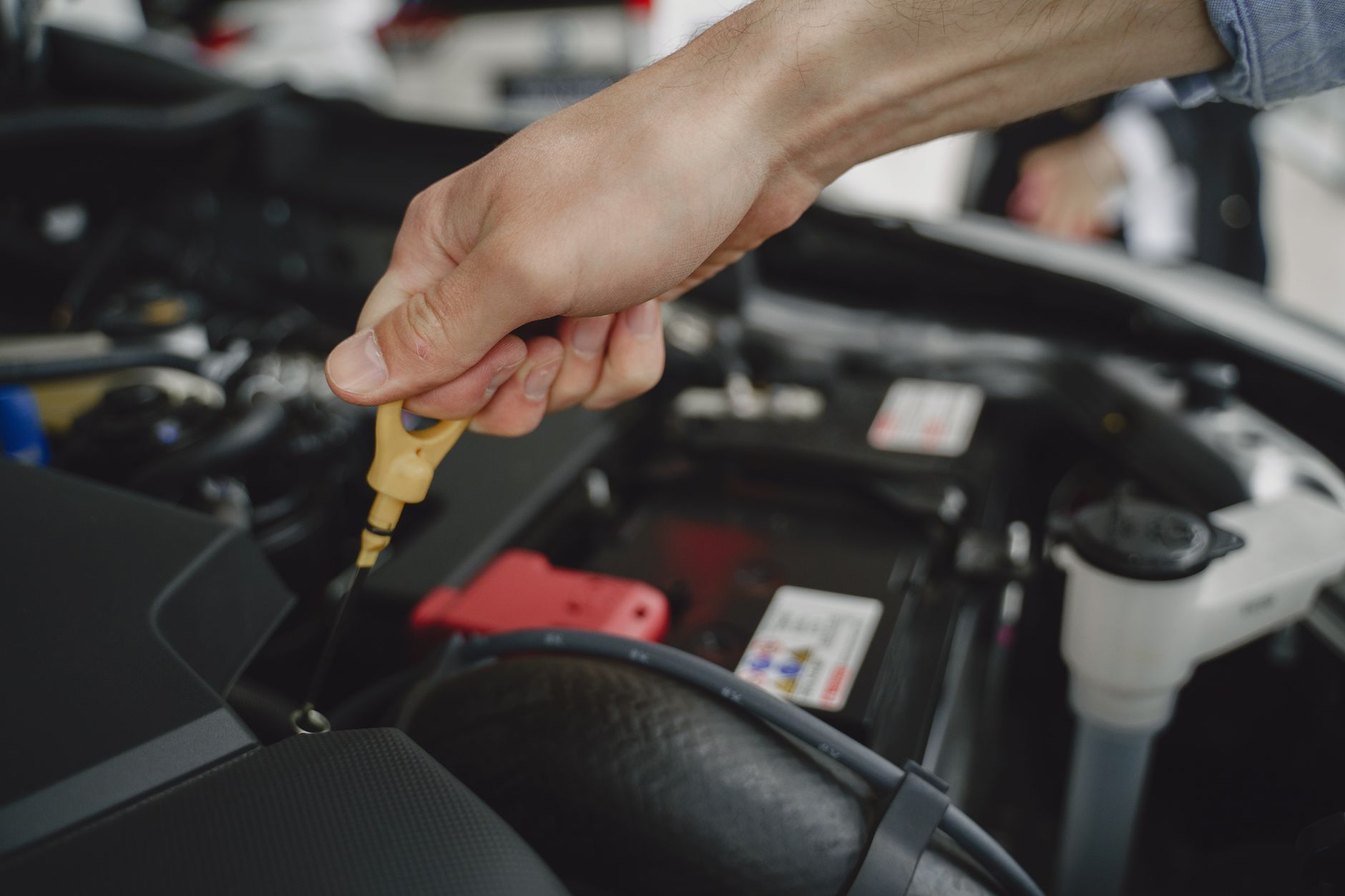
Quick answer: drive until the transmission is at normal operating temperature, park on level ground with the parking brake on, then follow your owner’s manual. Many dipstick cars are checked with the engine running in Park (Ford), but Honda says to shut the engine off and Kia says to idle in Neutral. Pull the dipstick, wipe it, push it back in fully, pull it again and read the HOT range. No dipstick means your transmission is probably sealed.
Written by Mark Dannunzio, co-owner and ASE-certified lead technician at Shift Masters Transmissions in Phoenix. Mark and Ken and their team have rebuilt thousands of transmissions, and the do-it-yourself mistake they see most is fluid checked the wrong way.
(Pops the hood. Stares at the engine. Closes the hood again, slowly.) If that was you this morning, welcome. Our guide to how often to change transmission fluid introduced Gary, your transmission, and today we’re giving Gary a checkup, which he will complain about the whole time.
The bad news: car makers can’t agree on how to do it. Engine on, engine off, Park, Neutral: it’s basically the transmission hokey-pokey. (You put the dipstick in, you pull the dipstick out, and I’m sorry, I had to.)
Engine on or off? What the makers actually say
Straight from the owner’s manuals. Every row links to its source, and your own manual beats all of them.
Three makers, three different dances. (Gary just wants everyone to stop arguing.) It’s also why the mistake we see most in the shop is fluid checked the wrong way for that particular car.
How to check transmission fluid, step by step
These steps follow Ford’s Edge manual, a typical version, with notes where others differ. (Yes, you may feel very mechanical doing this. Enjoy it.)
- Warm it up. Drive about 20 miles so the fluid reaches normal operating temperature. Fluid expands when warm, so a cold reading lies.
- Park on level ground and set the parking brake.
- With your foot on the brake, move the shifter through every gear, at least 10 seconds in each.
- Put it in Park and leave it running, unless your manual says Neutral (Kia) or engine off (Honda).
- Pull the dipstick and wipe it with a clean, lint-free rag. Ford warns the cap and nearby parts may be hot, so wear gloves.
- Push it all the way back in, pull it out again, and read where the fluid sits. It should be in the HOT range.
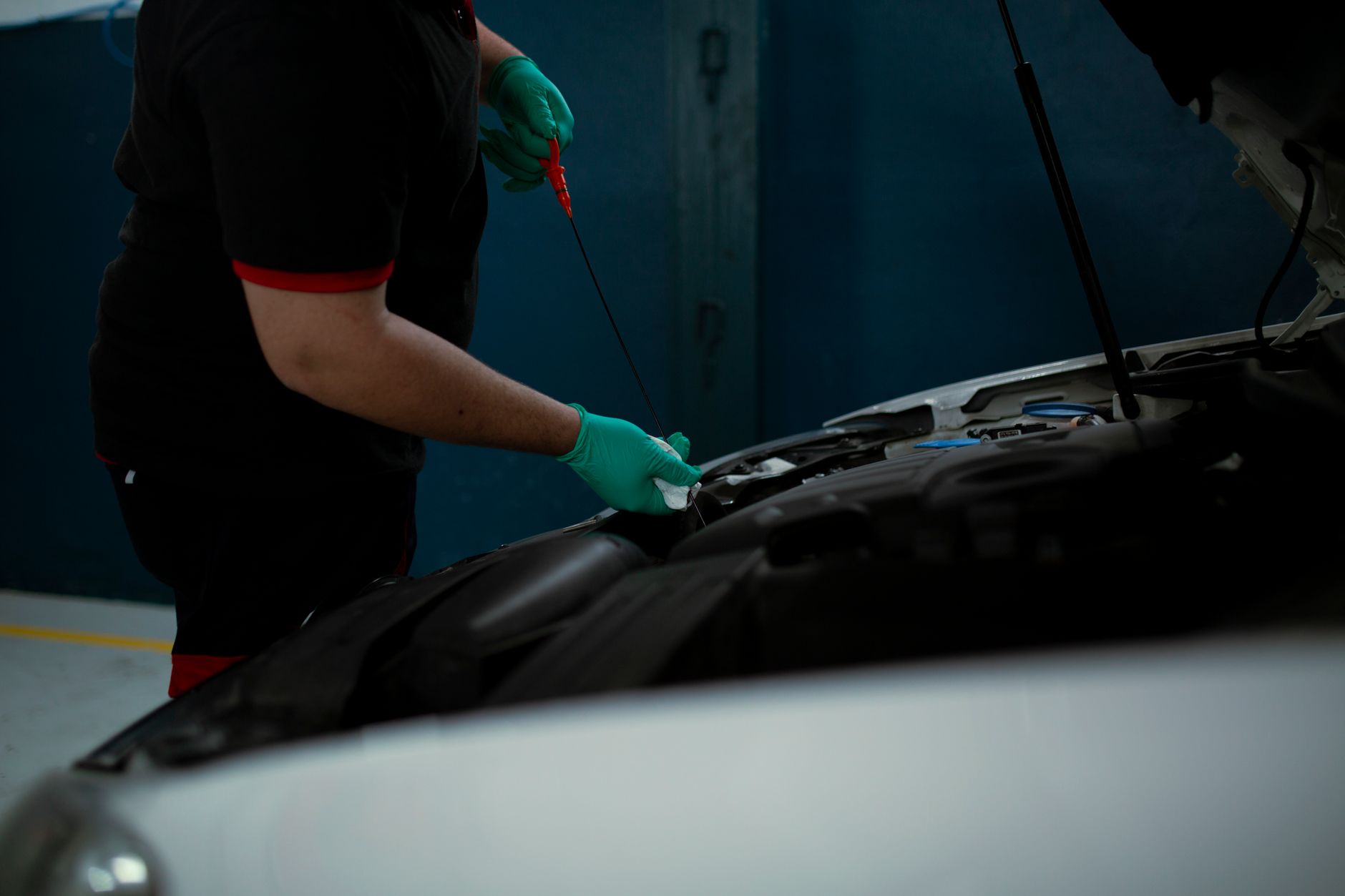
Don’t trust the COLD mark to set the level: Kia says it’s “for reference only and should NOT be used to determine the transmission fluid level.” (The COLD mark is basically decorative. Like my gym membership.) And go easy if you top up, because AAA says the gap between the upper and lower marks is usually about one pint.
Checking transmission fluid after a Phoenix drive
Here’s the twist nobody mentions: in real heat, the fluid can be too hot to read properly. Ford’s manual says that after “city traffic during hot weather,” you should turn the car off and let the fluid cool back to normal temperature before checking. (Gary needs a minute. Gary is having a moment.)
How long? “Depending on vehicle use, cooling times could take up to 30 minutes or longer.” So after a July crawl down the I-17, give it a rest before you pull the dipstick, then check again at normal temperature.
Low, high or dark: what the dipstick is telling you

Topping up? Use the exact fluid your manual names. (Gary is a picky eater.) Toyota, for example, warns that using a fluid other than its specified ATF “may cause deterioration in shift quality” and can “ultimately damage the automatic transmission.” And remember that topping up hides a leak, it doesn’t fix one, so low fluid often turns into a slipping transmission if it’s ignored.
No transmission dipstick? Here’s why
If you’ve hunted around the engine bay for ten minutes, you’re not bad at cars. (OK, maybe a little. Same here.) Many newer transmissions are sealed, and GM says plainly: “It is not necessary to check the transmission fluid level. A transmission fluid leak is the only reason for fluid loss.”
Hyundai agrees that the level “does not need to be checked under normal usage conditions.” But AAA adds the important catch: there’s no easy dipstick access, but “it doesn’t mean they’re actually maintenance-free.” On sealed units, we check the level as part of a fluid service or a paid inspection.
Checking manual transmission and CVT fluid
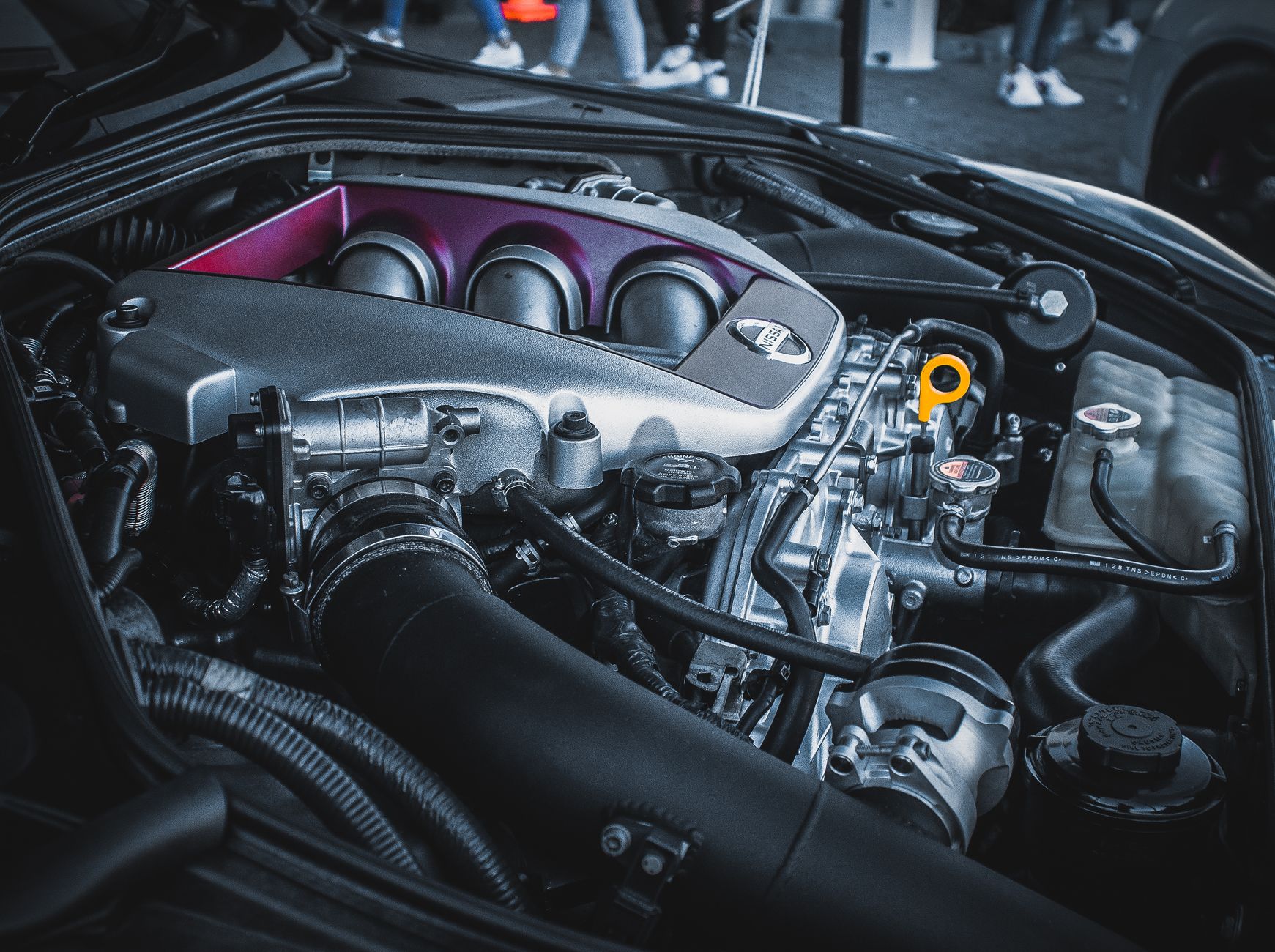
Manual transmissions usually have no dipstick at all. Honda’s Accord manual says to “remove the transmission filler bolt, and carefully feel inside the bolt hole with your finger. The fluid level should be up to the edge of the bolt hole.” (Yes, the official tool is your finger. Gary is old-school.)
CVTs are the opposite. Nissan’s service bulletin checks CVT fluid using its CONSULT scan tool to confirm the fluid temperature, lists an overfilled CVT as a cause of reduced-power fail-safe mode, and says its bulletins are for “qualified technicians, not ‘do-it-yourselfers.’” (Kevin the CVT, Gary’s fussy cousin, does not do the hokey-pokey.) Our CVT problems guide covers what goes wrong.
What we see in the shop
Mark and Ken and their team have rebuilt thousands of transmissions, and the do-it-yourself mistake they see most is fluid checked the wrong way: cold, engine off when it should be running, or on a sloped driveway. (The driveway always looks flat. The driveway is lying.) A wrong reading leads to adding fluid that wasn’t needed, or missing a leak that was.
So if the reading confuses you, don’t pour anything in yet. If something feels off when it shifts, our check is free, and if it does turn out to be the big job, our rebuilds carry a 3 years or 36,000 miles warranty on parts and labor.
Checking transmission fluid questions
Do you check transmission fluid with the engine running?
Usually, but not always. Ford's Edge manual says to leave the engine running in Park, Kia's says running in Neutral, and Honda's Accord manual says to shut the engine off. Always follow your own owner's manual.
Should transmission fluid be checked hot or cold?
Hot, at normal operating temperature. Ford says that's 180°F to 200°F, reached after about 20 miles of driving. Kia says the COLD mark is for reference only and should not be used to set the level.
What happens if transmission fluid is overfilled?
Overfilling can cause foaming, loss of fluid and transmission malfunction, according to Kia's owner's manual. Mitchell 1 adds that fluid may blow out of the transmission vent.
Why doesn't my car have a transmission dipstick?
Many newer transmissions are sealed. GM says it is not necessary to check the level on these, and Hyundai says it doesn't need checking under normal use. AAA notes that sealed doesn't mean maintenance-free.
What does it mean if my transmission fluid is low?
Usually a leak. AAA says that if the fluid is low, it likely indicates a leak, and topping it off doesn't fix the root cause. Ford says not to drive the vehicle if the level is below the MIN mark.