Why is my check engine light on? 10 common causes and what they cost

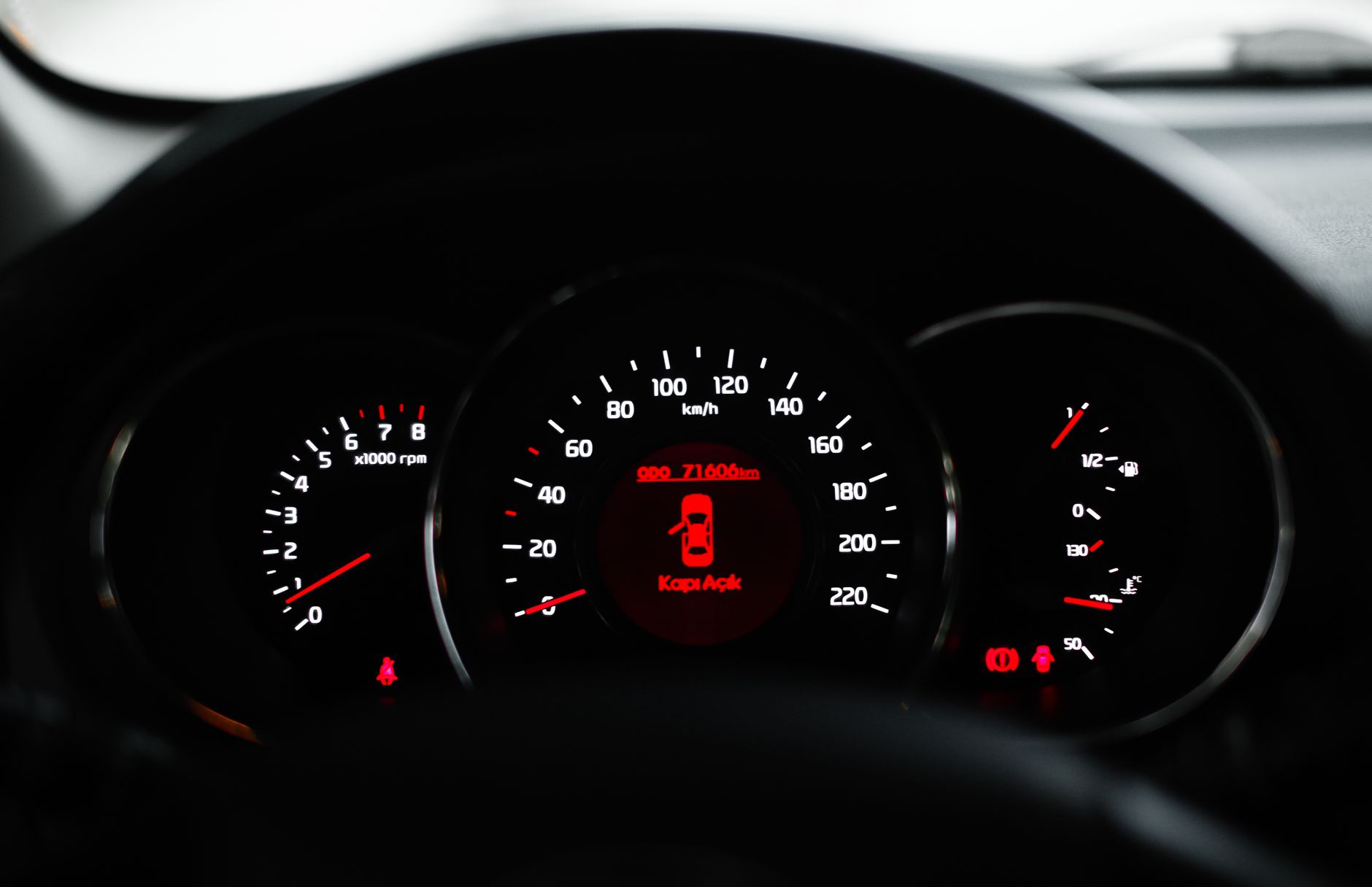
Quick answer: your car’s onboard computer has found a problem with the engine, transmission or emissions system, as the EPA explains. A solid light means get it checked soon; a flashing light means a serious misfire, so slow down and get it seen right away. In 2025 the most common causes were a catalytic converter, an oxygen sensor, and ignition coils and spark plugs, per CarMD. In the Phoenix area, you can’t pass emissions with it on.
Written by Mark Dannunzio, co-owner and ASE-certified lead technician at Shift Masters Transmissions in Phoenix. Mark and Ken and their team scan check engine light codes for free, and the causes they see most are transmission codes, misfires, sensors and gas cap or EVAP leaks.
(Glances at dashboard. Little orange engine glows back. Pretends not to see it for three days.) Hi, that was me too. The check engine light is your car’s most passive-aggressive text message: “something’s wrong,” with absolutely no details.
Our transmission problems guide introduced Gary, your transmission, and plot twist: Gary is on that group chat too. Let’s decode the message.
The 10 most common check engine light causes and what they cost
From CarMD’s 2026 Vehicle Health Index: the top repairs behind check engine lights in 2025, with national average costs. These are not our prices.
CarMD says the average cost to address a check engine light “climbed to a record $554 in 2025.” (I checked my couch cushions. I found $3 and a fry.) The good news: 8 of the 10 repairs on the list cost less than that, and the trick is finding out which one you’ve got before anyone replaces anything.
Solid or flashing: what each means
AAA says a flashing light means “an ignition malfunction, with the most likely culprit being an engine misfire.” (Solid is your car clearing its throat. Flashing is your car screaming into a pillow.) A misfire can cook the catalytic converter, which is the $1,511 item at the top of that table.
Check engine light on but the car runs fine?
This is the one everyone ignores, me included, historically. (My car ran “fine.” My car was lying.) The light often comes on before you can feel anything, because the computer is watching sensors you can’t.
The CarMD report gives a good reason not to wait: “ignoring a failing oxygen sensor can negatively impact your car’s fuel economy by as much as 40% - even if it seems like the vehicle is driving fine.” The EPA also warns that unaddressed problems “could also damage your vehicle and lead to increasingly expensive repairs.” So “runs fine” is a reason not to panic, not a reason to ignore it.
Is it just the gas cap?
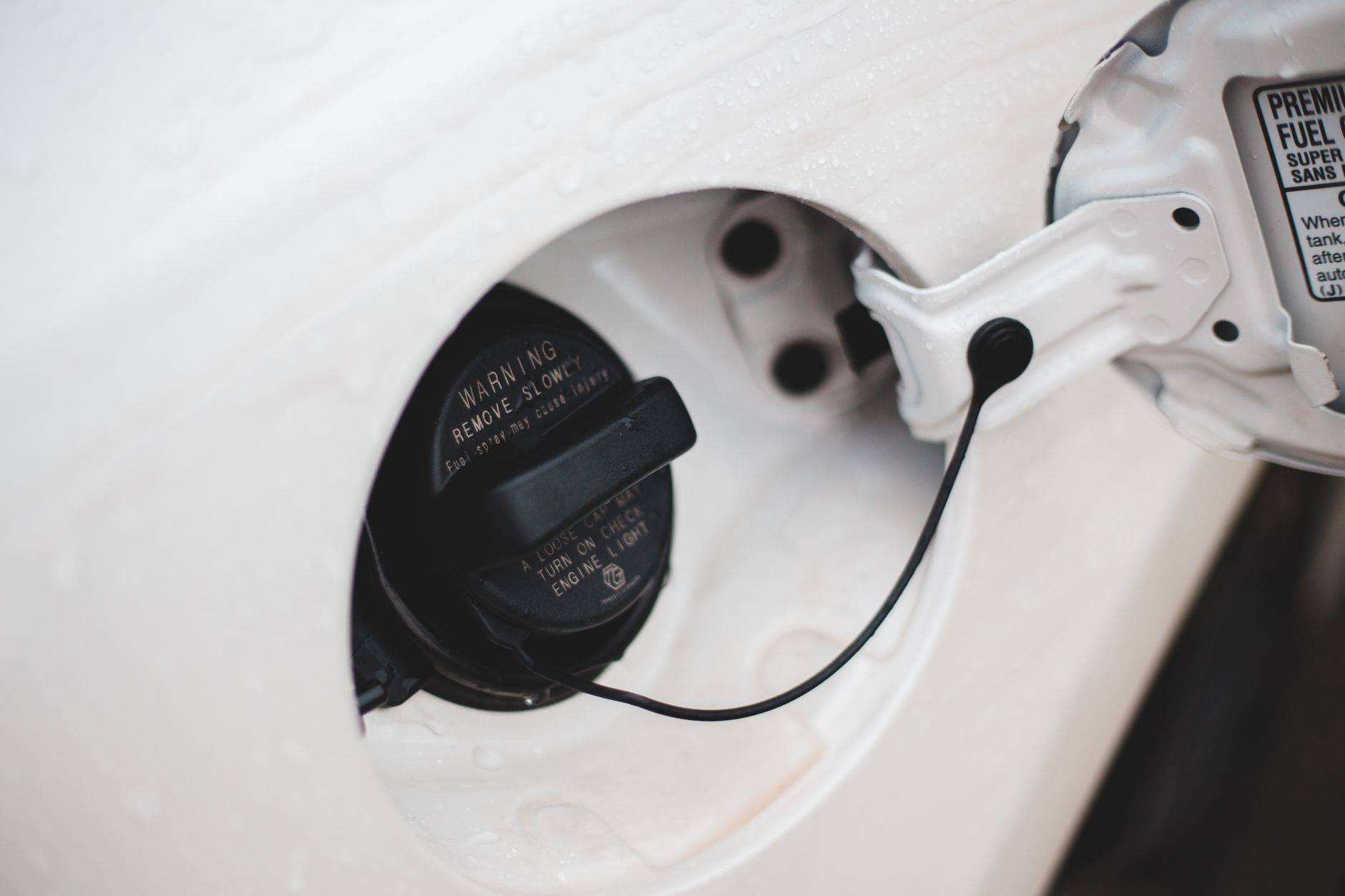
Maybe, and it’s worth checking first because it’s free. (Best price on this whole page.) The EPA lists a loose or missing gas cap as a trigger, and says if the light “does not go out after a few short trips” after tightening or replacing it, get the car checked.
But don’t count on it. CarMD’s 2024 report said the gas cap “is no longer one of the five most common check engine repairs,” the first time since 2011. (The gas cap has been demoted. It’s taking it hard.) Gas cap and EVAP leaks are still on Mark’s list of usual suspects, though, so it’s a fair first look.
Can the transmission turn on the check engine light?
Yes, and almost nobody mentions it. The EPA says the onboard computer monitors “the operation of the engine, transmission, and emissions control components.” (Gary has the password to the group chat. Gary uses it.)
One common transmission code is P0700, which RepairPal defines as a “Transmission Control System Malfunction” and rates “Urgent.” Its listed causes include “Defective Shift Solenoids,” a “Defective Valve Body” and “Dirty transmission fluid that restricts the hydraulic passages,” and symptoms include the car not shifting properly. If your light came on alongside slipping or rough shifts, or your fluid looks dark, Gary is the one texting you.
Arizona emissions and the check engine light
Here’s the Phoenix-specific bit the national articles skip. Arizona’s emissions program says 1996 and newer vehicles “CANNOT PASS emissions testing with the ‘Check Engine’ light illuminated.” (Capital letters theirs. They are not kidding.)
What we see in the shop
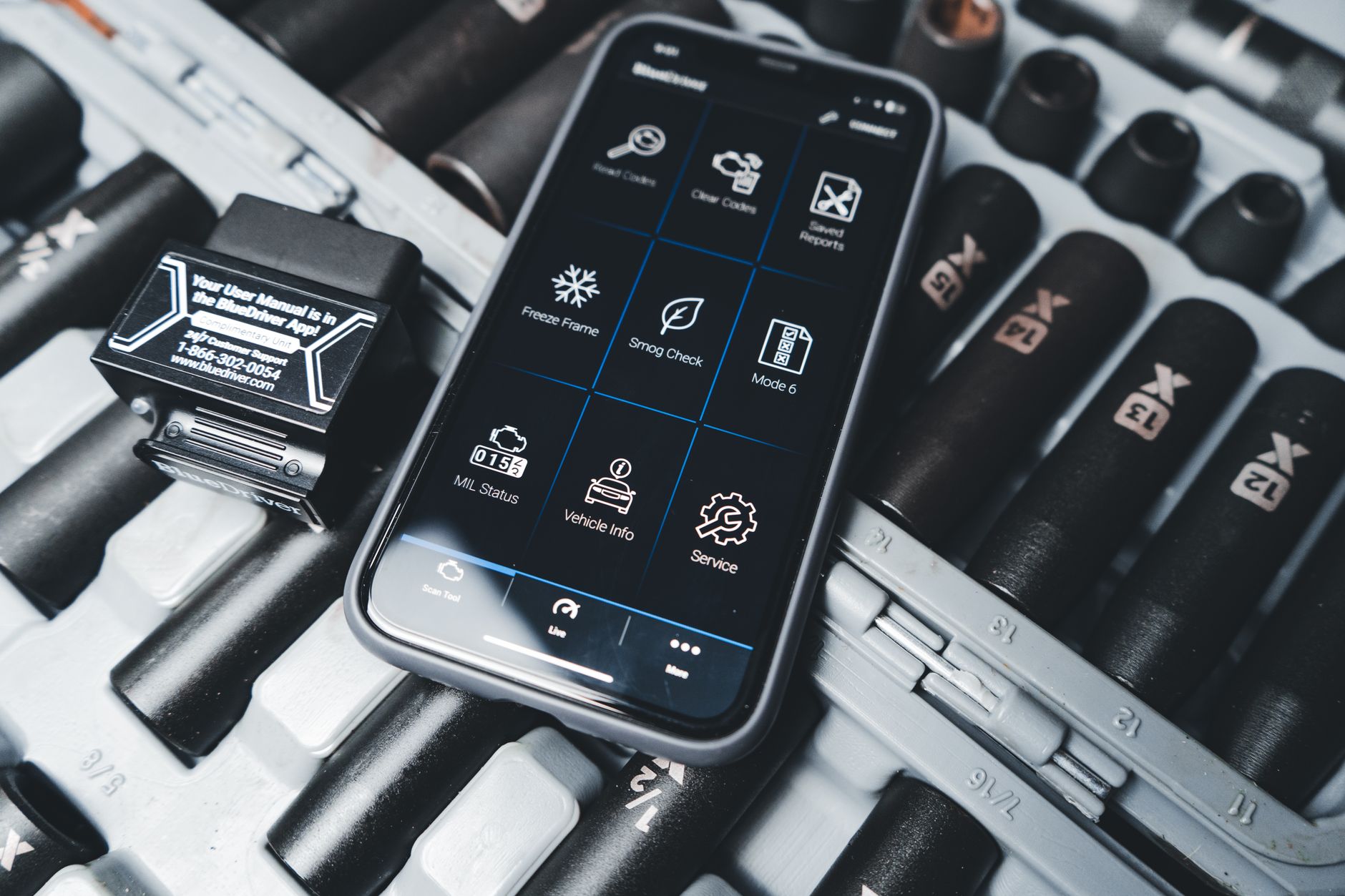
The check engine lights Mark and Ken and their team see most come from four places: transmission codes, misfires and ignition, sensors like the oxygen sensor, and gas cap or EVAP leaks. (Being a transmission shop, we do see a suspicious amount of Gary.) We scan the code for free.
A code is a starting point, not a verdict, so we check what’s actually behind it before anyone replaces a part. If it turns out to be the transmission, our transmission repair work is covered by our 3 years or 36,000 miles warranty on parts and labor.
Check engine light questions
Why is my check engine light on?
Your car's onboard computer has detected a problem with the engine, transmission or emissions system. In 2025 the most common repairs behind it were a catalytic converter, an oxygen sensor, and ignition coils and spark plugs, according to CarMD.
Is it safe to drive with the check engine light on?
If it is solid, the EPA says there is no cause for panic, but get it checked soon. If it is flashing, the EPA says a severe problem such as a catalyst-damaging misfire is happening: minimize driving, avoid high speeds and heavy loads, and get it seen as soon as possible.
Can a loose gas cap turn on the check engine light?
Yes. The EPA lists a loose or missing gas cap as one trigger. Tighten or replace it, and if the light doesn't go out after a few short trips, have the car checked.
Can I pass an Arizona emissions test with the check engine light on?
No. Arizona's emissions program says 1996 and newer vehicles cannot pass emissions testing with the check engine light illuminated.
Can transmission problems cause the check engine light?
Yes. The onboard computer monitors the transmission as well as the engine. Code P0700, for example, means a transmission control system malfunction, and RepairPal rates it urgent.